
⚖️Worst Supreme Court Decisions of All Time
Supreme Court rulings have repeatedly entrenched injustice, curtailed liberties, and required later correction. These 25 decisions stand out for their lasting damage and widespread condemnation by historians and jurists. Vote to rank the worst.
What counts: 'Worst' ranks decisions by scale of harm to rights, democracy, and equality, especially those later overturned or repudiated. Vote totals and ratings are approximate.
The Court ruled that Black people could never be citizens and struck down the Missouri Compromise. It inflamed sectional conflict and helped trigger the Civil War. The decision remains the benchmark for judicial overreach.
Year: 1857Vote: 7-2Overturned: ✓Field: SlaveryInfamy: 9.8/10
- Clear legal reasoning at the time
- Unanimous on key points
- Denied citizenship to millions
- Accelerated national crisis
added by Yourlist Editorialin 3 rankingsDred Scott v. Sandford
38The Court upheld racial segregation under the 'separate but equal' doctrine. It legitimized Jim Crow laws for nearly six decades. The ruling entrenched second-class citizenship for Black Americans.
Year: 1896Vote: 7-1Overturned: ✓Field: Civil rightsInfamy: 9.5/10
- Consistent with precedent
- Allowed state experimentation
- Sanctioned systemic racism
- Ignored 14th Amendment intent
added by Yourlist Editorialin 3 rankingsPlessy v. Ferguson
32The Court approved forced sterilization of the 'feeble-minded.' Justice Holmes declared 'three generations of imbeciles are enough.' The ruling enabled thousands of eugenics-based sterilizations.
Year: 1927Vote: 8-1Overturned: —Field: EugenicsInfamy: 9.1/10
- Applied existing precedent
- Short opinion
- Violated bodily autonomy
- Promoted pseudoscience
added by Yourlist EditorialBuck v. Bell
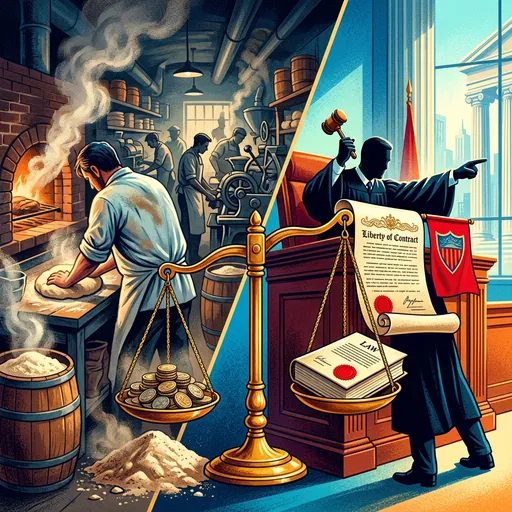
28The Court struck down a law limiting bakery work hours as violating freedom of contract. It launched the Lochner era of aggressive judicial review against labor laws. The decision blocked worker protections for decades.
Year: 1905Vote: 5-4Overturned: ✓Field: LaborInfamy: 8.7/10
- Protected economic liberty
- Consistent formalism
- Ignored health data
- Favored employers
added by Yourlist EditorialLochner v. New York
25The Court upheld the internment of Japanese Americans during World War II. It accepted racial classifications based on military necessity claims later proven false. The decision stains civil liberties jurisprudence.
Year: 1944Vote: 6-3Overturned: ✓Field: Civil libertiesInfamy: 9.3/10
- Deference to wartime executive
- Narrow holding on paper
- Enabled mass racial incarceration
- Ignored lack of evidence
added by Yourlist Editorialin 3 rankingsKorematsu v. United States
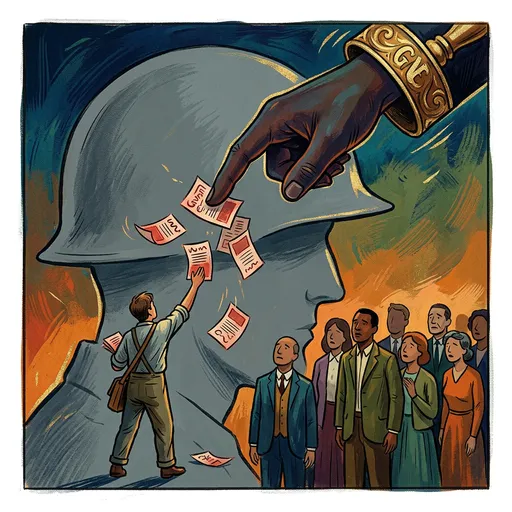
19The Court upheld convictions for anti-draft speech under the clear-and-present-danger test. It severely limited First Amendment protections during wartime. The broad standard chilled dissent for years.
Year: 1919Vote: 9-0Overturned: ✓Field: SpeechInfamy: 8.2/10
- Unified wartime stance
- Simple test
- Suppressed political speech
- Later narrowed sharply
added by Yourlist Editorialin 2 rankingsSchenck v. United States
19The Civil Rights Cases
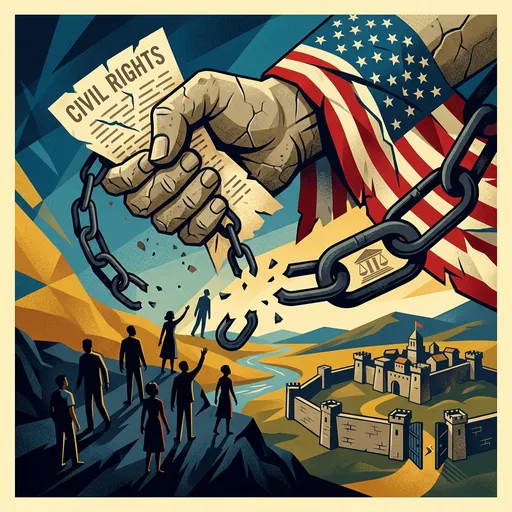
The Court invalidated the Civil Rights Act of 1875, ending federal protection against private racial discrimination. It narrowed the 14th Amendment dramatically. Segregation expanded unchecked.
Year: 1883Vote: 8-1Overturned: ✓Field: Civil rightsInfamy: 8.9/10
- Strict textualism
- Limited federal power
- Undermined Reconstruction
- Enabled private bigotry
added by Yourlist Editorial
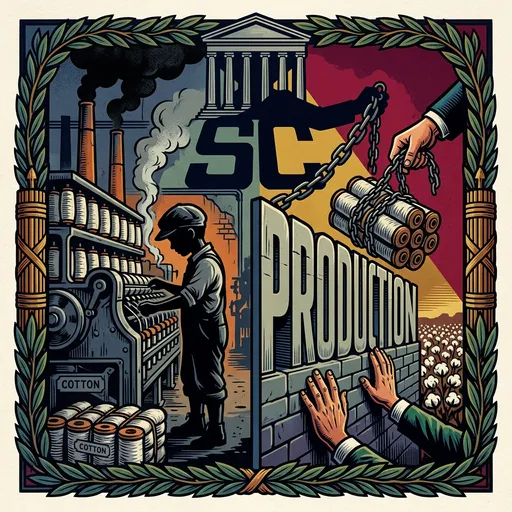
9The Court struck down the federal child-labor law as exceeding commerce power. It protected exploitative industries for two decades. Congress later circumvented the ruling with new taxes.
Year: 1918Vote: 5-4Overturned: ✓Field: LaborInfamy: 7.9/10
- Strict commerce clause limits
- State experimentation
- Ignored child exploitation
- Blocked national standards
added by Yourlist EditorialHammer v. Dagenhart
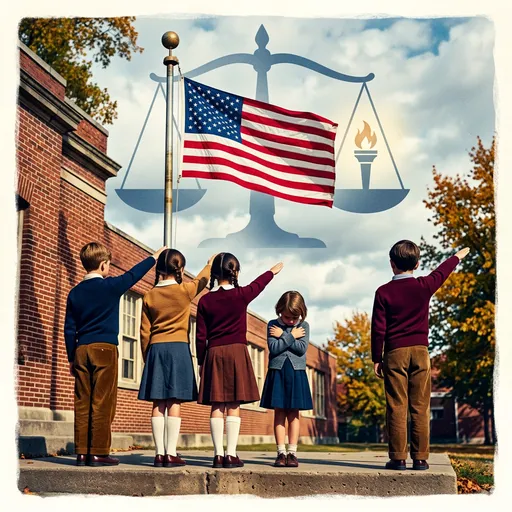
9Minersville School District v. Gobitis
The Court upheld mandatory flag salutes despite religious objections. Jehovah's Witness children faced expulsion and mob violence. The ruling was reversed within three years.
Year: 1940Vote: 8-1Overturned: ✓Field: ReligionInfamy: 7.8/10
- Supported national unity
- Narrow factual record
- Coerced speech
- Endangered religious minorities
added by Yourlist EditorialMinersville School District v. Gobitis
8The Court dismissed federal charges against perpetrators of the Colfax massacre. It held that the 14th Amendment did not protect against private violence. Enforcement of Reconstruction collapsed.
Year: 1876Vote: 9-0Overturned: —Field: Civil rightsInfamy: 8.6/10
- Federalism concerns
- Technical statutory reading
- Left Black voters defenseless
- Enabled Klan violence
added by Yourlist EditorialUnited States v. Cruikshank
6The Court narrowly interpreted the 14th Amendment's privileges or immunities clause. It gutted a key Reconstruction provision. Fundamental rights enforcement shifted almost entirely to states.
Year: 1873Vote: 5-4Overturned: —Field: ReconstructionInfamy: 8/10
- Preserved federal structure
- Avoided broad judicial power
- Nullified constitutional text
- Weakened civil rights
added by Yourlist EditorialSlaughter-House Cases
4The Court refused to require counsel for indigent defendants in state courts. It left poor defendants without representation in serious cases. Gideon later reversed the rule.
Year: 1942Vote: 6-3Overturned: ✓Field: Due processInfamy: 7.5/10
- Federalism respect
- Case-by-case flexibility
- Unequal justice
- Ignored practical realities
added by Yourlist EditorialBetts v. Brady
3Morehead v. New York ex rel. Tipaldo
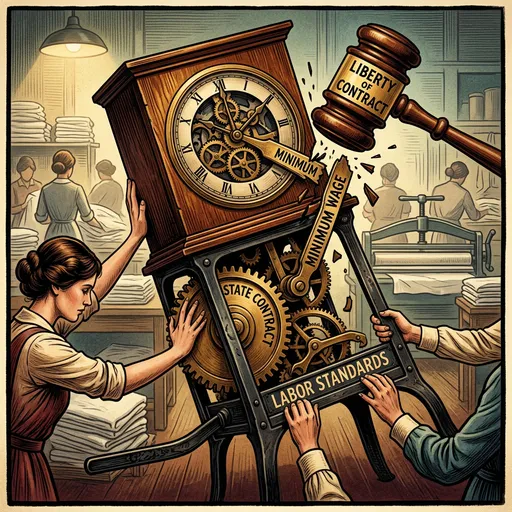
The Court struck down a New York minimum-wage law for women. It doubled down on Adkins during the Depression. Public backlash helped shift the Court.
Year: 1936Vote: 5-4Overturned: ✓Field: LaborInfamy: 7/10
- Consistent Lochner line
- State experimentation
- Ignored economic crisis
- Blocked wage floors
added by Yourlist EditorialMorehead v. New York ex rel. Tipaldo
2The Court upheld Georgia's sodomy law, rejecting privacy claims for consensual adult conduct. It entrenched criminalization of homosexuality for seventeen years. The ruling was later reversed.
Year: 1986Vote: 5-4Overturned: ✓Field: PrivacyInfamy: 8.4/10
- Respected state authority
- Historical tradition cited
- Ignored modern privacy norms
- Stigmatized a minority
added by Yourlist EditorialBowers v. Hardwick
0The Court upheld a state law banning integrated private education. It extended Plessy to private institutions. Segregated schooling gained further legal cover.
Year: 1908Vote: 7-2Overturned: ✓Field: EducationInfamy: 7.3/10
- State police power
- Narrow statutory reading
- Blocked private integration efforts
- Reinforced segregation
added by Yourlist EditorialBerea College v. Kentucky
0The Court denied a woman admission to the bar solely because of her sex. It endorsed separate spheres ideology. Professional barriers for women persisted for generations.
Year: 1873Vote: 8-1Overturned: —Field: GenderInfamy: 7.7/10
- State licensing power
- Historical norms
- Blocked women's careers
- Reinforced gender hierarchy
added by Yourlist EditorialBradwell v. Illinois
-1The Court upheld convictions of Communist leaders under the Smith Act. It broadened the clear-and-present-danger test into a balancing approach. Political speech faced new risks.
Year: 1951Vote: 6-2Overturned: ✓Field: SpeechInfamy: 7.4/10
- Addressed Cold War fears
- Narrow to advocacy
- Chilled political association
- Vague standard
added by Yourlist EditorialDennis v. United States
-2The Court sustained curfews imposed solely on Japanese Americans. It accepted racial distinctions in the name of military security. The decision paralleled Korematsu's logic.
Year: 1943Vote: 9-0Overturned: ✓Field: Civil libertiesInfamy: 8.1/10
- Wartime deference
- Curfew less severe than internment
- Racial classification upheld
- Based on false premises
added by Yourlist EditorialHirabayashi v. United States
-5The Court invalidated a minimum-wage law for women as violating liberty of contract. It extended Lochner-era barriers to wage protections. The New Deal later overturned the doctrine.
Year: 1923Vote: 5-3Overturned: ✓Field: LaborInfamy: 7.6/10
- Consistent economic liberty view
- Protected formal equality
- Ignored bargaining imbalance
- Harmed low-wage workers
added by Yourlist EditorialAdkins v. Children's Hospital
-7The Court refused to apply the exclusionary rule to state courts. Illegally obtained evidence remained admissible in state prosecutions. Mapp later imposed the rule nationwide.
Year: 1949Vote: 6-3Overturned: ✓Field: Criminal procedureInfamy: 7.2/10
- State procedural autonomy
- Historical practice
- Tolerated unconstitutional searches
- Weakened Fourth Amendment
added by Yourlist EditorialWolf v. Colorado
-8Carter v. Carter Coal Co.
The Court invalidated the Bituminous Coal Conservation Act as exceeding commerce power. It blocked federal labor and price regulations. The ruling delayed New Deal coal policy.
Year: 1936Vote: 5-4Overturned: ✓Field: CommerceInfamy: 7.1/10
- Formal commerce limits
- Protected local industry
- Ignored interstate effects
- Harmed workers and consumers
added by Yourlist Editorial
-8The Court ruled that the 14th Amendment did not grant women the vote. It blocked a key path to suffrage until the 19th Amendment. Women's political exclusion continued.
Year: 1875Vote: 9-0Overturned: ✓Field: VotingInfamy: 7.5/10
- Textual reading
- Historical practice
- Denied equal citizenship
- Delayed democracy
added by Yourlist EditorialMinor v. Happersett
-8The Court upheld Alabama's anti-miscegenation statute under equal application. It allowed states to criminalize interracial marriage. The precedent lasted until Loving.
Year: 1883Vote: 9-0Overturned: ✓Field: MarriageInfamy: 7.8/10
- Formal equality argument
- State tradition
- Validated racial bans
- Ignored substantive liberty
added by Yourlist EditorialPace v. Alabama
-9The Court declined to order Alabama to register Black voters despite proven disenfranchisement. It deemed the remedy political. Voting rights enforcement stalled for decades.
Year: 1903Vote: 6-3Overturned: —Field: VotingInfamy: 7.9/10
- Avoided political thicket
- Remedy limits
- Abandoned constitutional duty
- Enabled Jim Crow voting rules
added by Yourlist EditorialGiles v. Harris
-17The Court upheld convictions for anti-war leaflets under the Espionage Act. It applied the bad-tendency test to suppress dissent. Holmes's dissent later influenced doctrine.
Year: 1919Vote: 7-2Overturned: ✓Field: SpeechInfamy: 7.3/10
- Wartime security
- Narrow application
- Punished political expression
- Broadened speech restrictions
added by Yourlist EditorialAbrams v. United States
-19