Greatest US Presidents of All Time
From steering the nation through its darkest crises to shaping the very ideals it stands for, America's presidents have left legacies that still spark passionate debate today. Historians, students, and everyday citizens continue to argue over who truly earned a place among the greats. Now it's your turn to weigh in—cast your vote and help decide who deserves the title of greatest US president of all time.
What counts: Best is judged by lasting historical impact, crisis leadership, and legacy as reflected in long-running scholarly surveys (C-SPAN, Siena, etc.). All ratings and dates are approximate consensus figures, not official scores.
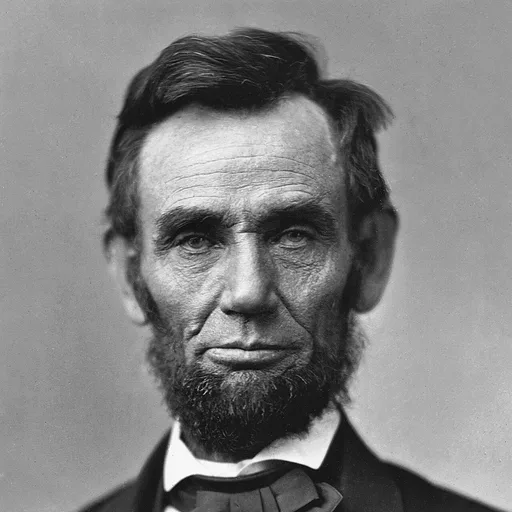
He took the oath with the Union already cracking apart and closed out a war that killed 750,000 Americans while somehow finding the moral clarity to turn it into a fight for freedom, drafting the Emancipation Proclamation and pushing the 13th Amendment through a fractured Congress. Assassinated days after Appomattox, he never saw Reconstruction, but his Gettysburg Address and unbending resolve to preserve the Union make him the near-unanimous No. 1 in every scholarly survey ever taken.'
Years in Office: 1861–1865Scholar Consensus Rating: 9.8/10Defining Achievement/Crisis: Civil War & EmancipationWon Reelection: ✓
added by Yourlist Editorialin 17 rankingsAbraham Lincoln
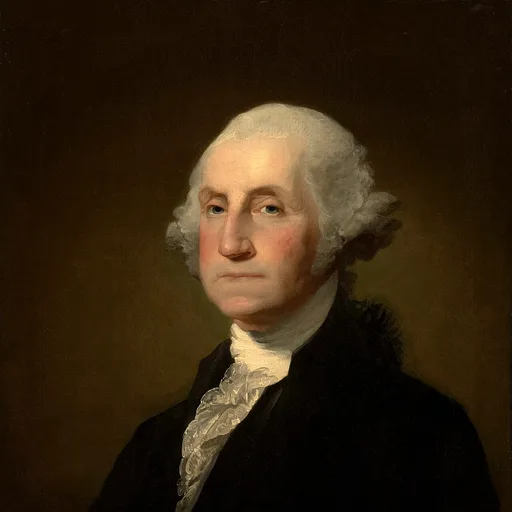
0He could have been king and instead walked away twice — after Yorktown and after two terms — inventing the peaceful transfer of power that every American president since has been bound by. His Farewell Address warning against factions and foreign entanglements set the template for the office itself, and that restraint is precisely why historians still rank him among the top three.
Years in Office: 1789–1797Scholar Consensus Rating: 9.5/10Defining Achievement/Crisis: Founding the RepublicWon Reelection: ✓
added by Yourlist Editorialin 11 rankingsGeorge Washington
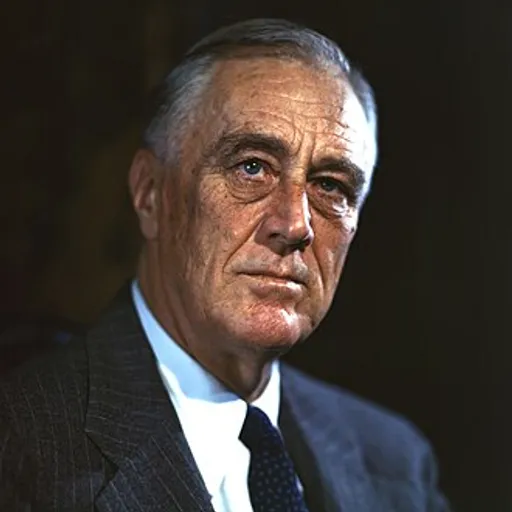
0Franklin D. Roosevelt
He pulled the country out of the Great Depression with the New Deal's alphabet soup of agencies, then rebuilt the arsenal of democracy to defeat fascism, all while hiding the extent of his own paralysis from a nation that needed to believe in strength. Elected an unprecedented four times, he redefined the presidency as the engine of American life and death in the same breath — a legacy so vast it earns him a permanent seat beside Lincoln and Washington.
Years in Office: 1933–1945Scholar Consensus Rating: 9.6/10Defining Achievement/Crisis: New Deal & WWII victoryWon Reelection: ✓
added by Yourlist Editorialin 21 rankings
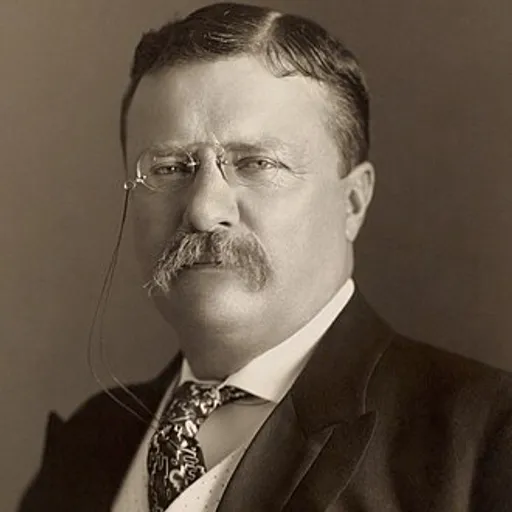
0He busted trusts, carved out the National Park System, and sent the Great White Fleet around the globe to announce America as a world power, all with the swaggering energy of a man who once finished a speech after being shot. His Square Deal reoriented government toward regulating capitalism rather than simply serving it, cementing him as the father of the modern presidency's activist reach.
Years in Office: 1901–1909Scholar Consensus Rating: 9/10Defining Achievement/Crisis: Progressive reforms & trust-bustingWon Reelection: ✓
added by Yourlist Editorialin 17 rankingsTheodore Roosevelt
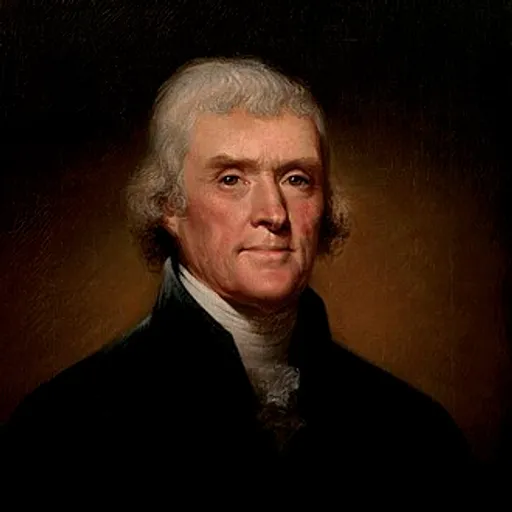
0He doubled the size of the country with the Louisiana Purchase despite his own constitutional doubts about the power to do it, then sent Lewis and Clark to map what he'd bought. The author of the Declaration of Independence carries an asterisk historians can't ignore — his ownership of enslaved people, including Sally Hemings — but his vision of an agrarian democratic republic still shapes the founding mythology of the nation.
Years in Office: 1801–1809Scholar Consensus Rating: 8.7/10Defining Achievement/Crisis: Louisiana PurchaseWon Reelection: ✓
added by Yourlist Editorialin 16 rankingsThomas Jefferson
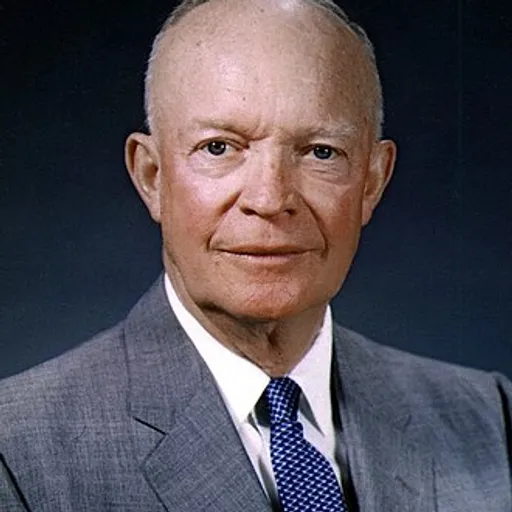
0The general who planned D-Day spent two terms as president quietly keeping the Cold War cold, building the Interstate Highway System as a strategic and economic backbone, and sending the 101st Airborne to Little Rock to enforce school desegregation. His famous farewell warning about the 'military-industrial complex' revealed a leader shrewd enough to distrust the very war machine he'd once commanded.
Years in Office: 1953–1961Scholar Consensus Rating: 8/10Defining Achievement/Crisis: Interstate System & Cold War stabilityWon Reelection: ✓
added by Yourlist Editorialin 17 rankingsDwight D. Eisenhower
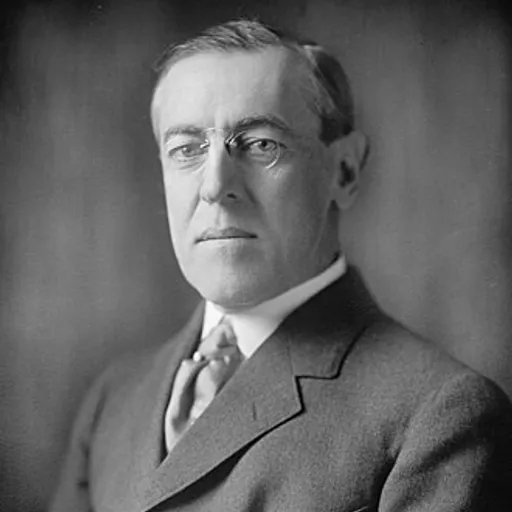
0He led America into World War I promising to make the world 'safe for democracy,' then watched the Senate reject his League of Nations and his own health collapse from a stroke that left his wife effectively running the country. A Nobel Peace Prize winner and a segregationist who resegregated federal agencies, Wilson's legacy is a case study in idealism curdled by hubris and prejudice, keeping him firmly in the middle tier.
Years in Office: 1913–1921Scholar Consensus Rating: 7.5/10Defining Achievement/Crisis: WWI leadershipWon Reelection: ✓
added by Yourlist Editorialin 15 rankingsWoodrow Wilson
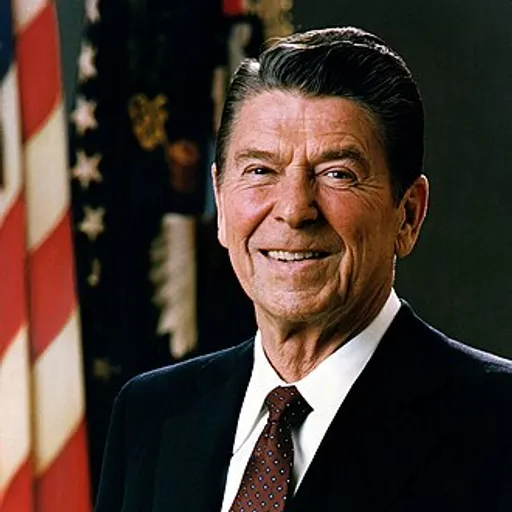
0He rebuilt American confidence after Vietnam and Watergate with a sunny 'Morning in America' message, slashed taxes, rebuilt the military, and stood at the Berlin Wall demanding Gorbachev tear it down — a demand history obliged within three years. Iran-Contra and the explosion of the national debt complicate the picture, but his role in ending the Cold War without firing a shot secures his spot among the modern greats.
Years in Office: 1981–1989Scholar Consensus Rating: 7.9/10Defining Achievement/Crisis: Cold War resolution & tax reformWon Reelection: ✓
added by Yourlist Editorialin 16 rankingsRonald Reagan
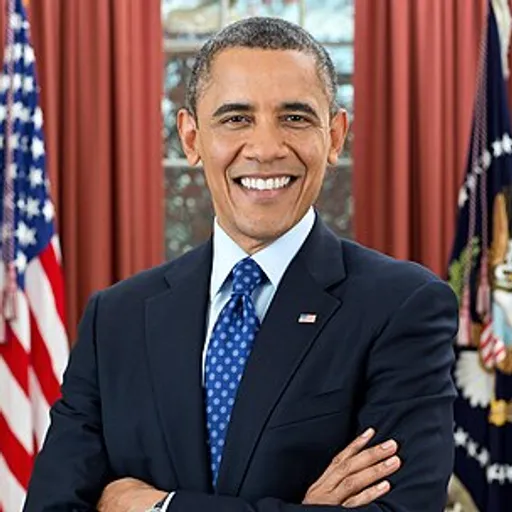
0He became the first Black president and steered the country out of the worst financial collapse since the Depression, passing the Affordable Care Act and ordering the raid that killed Osama bin Laden. Historians are still writing his final chapter, but his calm crisis management and the symbolic weight of his election already place him solidly in the upper-middle ranks.
Years in Office: 2009–2017Scholar Consensus Rating: 7.4/10Defining Achievement/Crisis: Affordable Care Act & recoveryWon Reelection: ✓
added by Yourlist Editorialin 17 rankingsBarack Obama
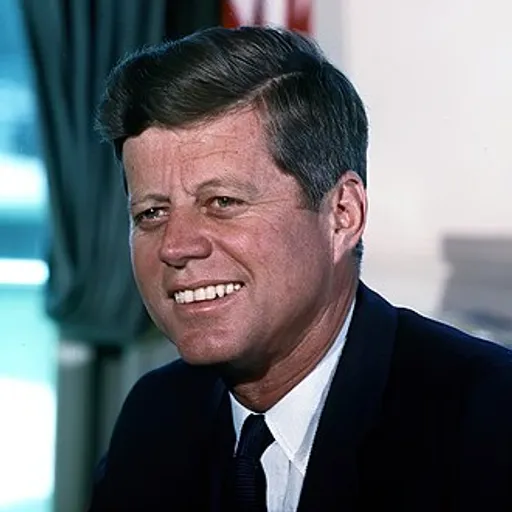
0He faced down Khrushchev during the Cuban Missile Crisis, arguably the closest the world has come to nuclear war, and launched the space race with a promise to reach the moon within the decade. Assassinated in Dallas after barely a thousand days in office, his unfinished presidency lives more on charisma and myth than a long record, which is exactly why scholars rank him lower than his legend suggests.
Years in Office: 1961–1963Scholar Consensus Rating: 7.8/10Defining Achievement/Crisis: Cuban Missile CrisisWon Reelection: —
added by Yourlist Editorialin 11 rankingsJohn F. Kennedy
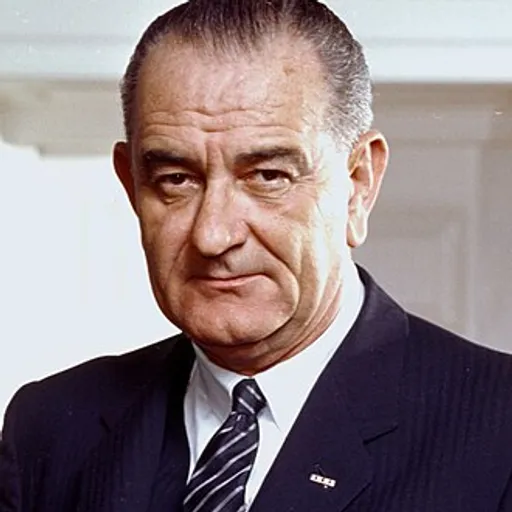
0He turned Kennedy's assassination into the political capital to pass the Civil Rights Act and Voting Rights Act, dismantling Jim Crow's legal architecture while building Medicare and Medicaid through the Great Society. But Vietnam metastasized on his watch into a quagmire that broke his presidency and his party, leaving a legacy split brutally down the middle between landmark domestic triumph and foreign policy catastrophe.
Years in Office: 1963–1969Scholar Consensus Rating: 7.6/10Defining Achievement/Crisis: Civil Rights Act of 1964Won Reelection: ✓
added by Yourlist Editorialin 14 rankingsLyndon B. Johnson
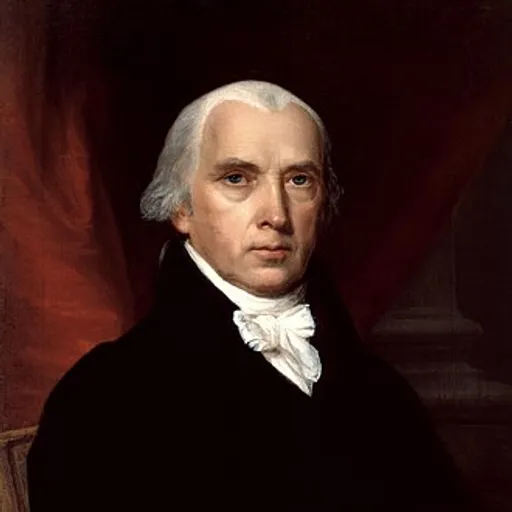
0The 'Father of the Constitution' proved a far better theorist than wartime executive, watching the British burn down the White House itself during the War of 1812 he'd pushed the country into. He salvaged the war's ending with the Treaty of Ghent and a surge of postwar nationalism, but the near-disaster of 1814 keeps him ranked as a middling president despite his towering intellectual legacy.
Years in Office: 1809–1817Scholar Consensus Rating: 6.8/10Defining Achievement/Crisis: War of 1812Won Reelection: ✓
added by Yourlist Editorialin 9 rankingsJames Madison
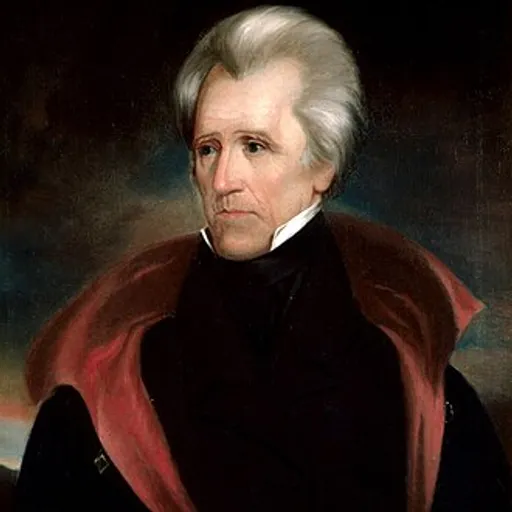
0The populist hero of New Orleans rode into the White House on a wave of common-man democracy, smashed the Second Bank of the United States, and defied a Supreme Court ruling to force the Trail of Tears, driving thousands of Cherokee to their deaths. His expansion of executive power and appeal to the masses reshaped American politics permanently, even as his brutal Indian removal policy has driven his ranking sharply downward in recent decades.
Years in Office: 1829–1837Scholar Consensus Rating: 5.5/10Defining Achievement/Crisis: Indian Removal Act & Bank WarWon Reelection: ✓
added by Yourlist Editorialin 12 rankingsAndrew Jackson
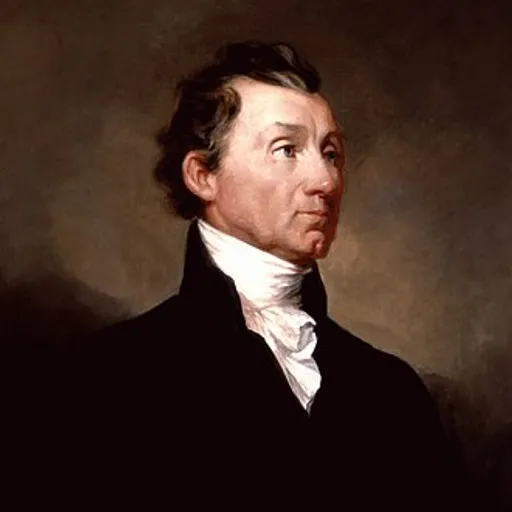
0Presiding over the 'Era of Good Feelings,' the last Founding Father in the White House acquired Florida and issued the Monroe Doctrine, declaring the Western Hemisphere off-limits to European colonization in a bold assertion of American power that outlasted him by a century. A solid, steady administration without dramatic crises keeps him respectably ranked in the upper-middle tier rather than among the legends.
Years in Office: 1817–1825Scholar Consensus Rating: 6.9/10Defining Achievement/Crisis: Monroe DoctrineWon Reelection: ✓
added by Yourlist Editorialin 5 rankingsJames Monroe
0Bill Clinton
He presided over the longest economic expansion in American history and balanced the federal budget, but the Monica Lewinsky scandal led to his impeachment by the House, even though the Senate acquitted him and left him finishing his term with sky-high approval ratings. His genuine political talent and centrist triangulation earn him middling-to-decent marks, permanently shadowed by the scandal that defined his second term.
Years in Office: 1993–2001Scholar Consensus Rating: 7/10Defining Achievement/Crisis: Economic expansion & NAFTAWon Reelection: ✓
added by Yourlist Editorialin 16 rankings
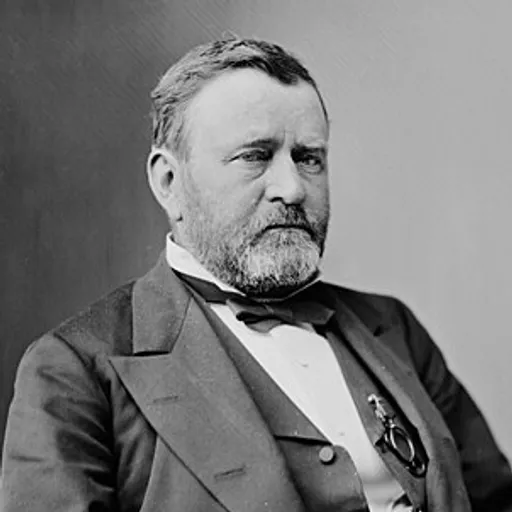
0The general who accepted Lee's surrender at Appomattox spent his presidency trying to protect Black civil rights against the rising terror of the Klan, even as corruption scandals from his cabinet appointees tarnished his administration's reputation for a century. Modern historians have significantly rehabilitated Grant, recognizing his Reconstruction-era efforts to enforce Black citizenship as more consequential than the graft that once defined his legacy.
Years in Office: 1869–1877Scholar Consensus Rating: 6.3/10Defining Achievement/Crisis: Reconstruction enforcementWon Reelection: ✓
added by Yourlist Editorialin 10 rankingsUlysses S. Grant
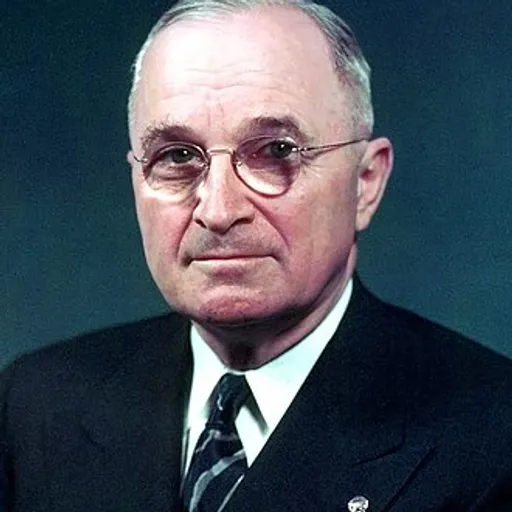
0He made the decision to drop atomic bombs on Hiroshima and Nagasaki to end World War II, then oversaw the Marshall Plan and NATO's founding to contain Soviet expansion in the opening moves of the Cold War, plus desegregated the U.S. military by executive order. He left office deeply unpopular over the stalemate in Korea, but history has been kinder, rating him a top-tier president for the sheer scale of the world order he helped construct.
Years in Office: 1945–1953Scholar Consensus Rating: 8.3/10Defining Achievement/Crisis: WWII end & Marshall PlanWon Reelection: ✓
added by Yourlist Editorialin 7 rankingsHarry Truman
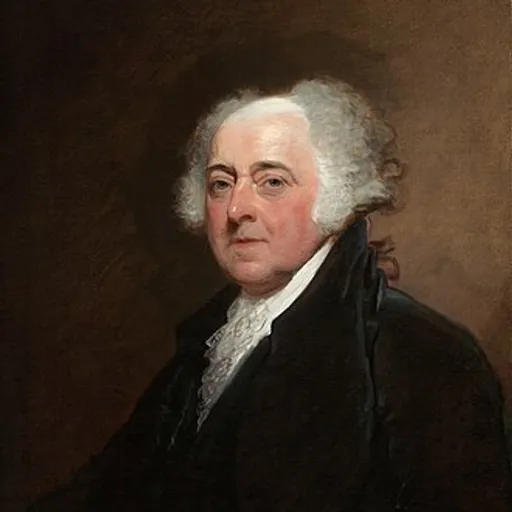
0He kept the fragile young republic out of a full-blown war with France despite intense pressure from his own Federalist Party, a decision he considered his proudest achievement even though it cost him reelection. The Alien and Sedition Acts, which criminalized criticism of the government, remain a genuine stain, but his restraint in avoiding war keeps him in the solid-if-unspectacular middle ranks.
Years in Office: 1797–1801Scholar Consensus Rating: 6.5/10Defining Achievement/Crisis: Avoided war with FranceWon Reelection: —
added by Yourlist Editorialin 12 rankingsJohn Adams
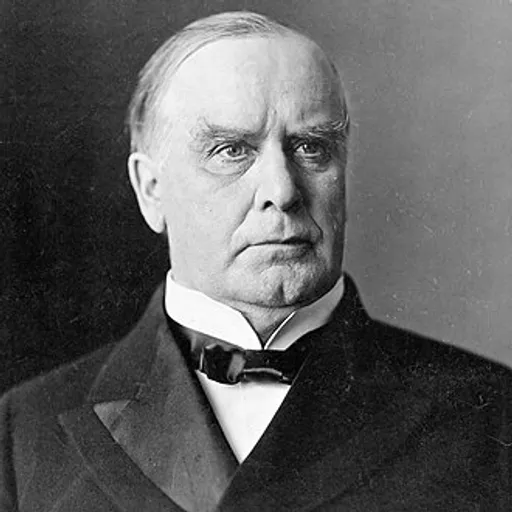
0He led the country to victory in the Spanish-American War, emerging with Puerto Rico, Guam, and the Philippines and transforming the United States into an overseas imperial power almost overnight. Assassinated by an anarchist just months into his second term, his presidency is remembered more as the hinge into the imperial 20th century than for personal greatness, landing him in the lower-middle tier.
Years in Office: 1897–1901Scholar Consensus Rating: 6.2/10Defining Achievement/Crisis: Spanish-American WarWon Reelection: ✓
added by Yourlist Editorialin 6 rankingsWilliam McKinley
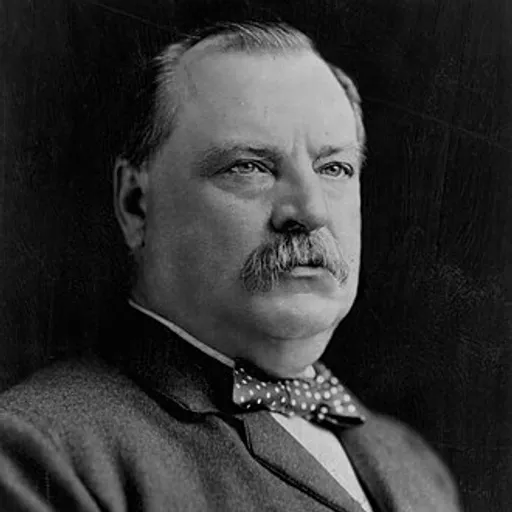
0The only president to serve two non-consecutive terms, he was a stubborn defender of limited government who vetoed more bills than all his predecessors combined and sent federal troops to crush the Pullman Strike, alienating labor in the process. His rigid honesty and fiscal conservatism won him respect, but his failure to address the Panic of 1893 keeps him ranked squarely in the middle of the pack.
Years in Office: 1885–1889, 1893–1897Scholar Consensus Rating: 6/10Defining Achievement/Crisis: Non-consecutive terms & fiscal restraintWon Reelection: —
added by Yourlist Editorialin 10 rankingsGrover Cleveland
0