Presidents Who Changed the Economy Most
Which U.S. president left the deepest mark on the American economy — for better or worse? Vote and rank these commanders-in-chief by the scale of the economic change they drove.
What counts: 'Best' ranks presidents by the scale and lasting significance of their economic impact (not necessarily whether the impact was positive), weighing GDP growth, unemployment shifts, national debt changes, and landmark policy moves. All figures are historical approximations — especially for 19th-centur
Franklin D. Roosevelt
Roosevelt inherited 25% unemployment and rebuilt the machinery of American capitalism, launching Social Security, the FDIC, and the SEC within his first hundred days. The New Deal didn't fully end the Depression — WWII did that — but it permanently rewired government's role in ma
Term in Office: 1933–1945Avg. Annual GDP Growth (higher better): 8 %Unemployment Rate Change (lower better): -23 ppNational Debt Change (lower better): 1,075 %Signature Economic Policy: New Deal programs & Social SecurityEconomic Impact Rating (higher better): 10/10
added by Yourlist Editorialin 21 rankings
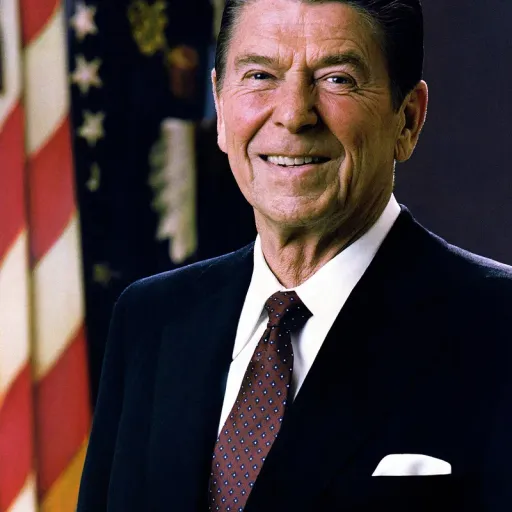
0Reagan slashed the top tax rate from 70% to 28% and unleashed deregulation, betting supply-side cuts would spark growth — and the 1980s boom mostly proved him right, even as deficits tripled. 'Reaganomics' became a permanent dividing line in American economic debate. Few presiden
Term in Office: 1981–1989Avg. Annual GDP Growth (higher better): 3.5 %Unemployment Rate Change (lower better): -2.1 ppNational Debt Change (lower better): 186 %Signature Economic Policy: Reaganomics tax cuts & deregulationEconomic Impact Rating (higher better): 9/10
added by Yourlist Editorialin 16 rankingsRonald Reagan
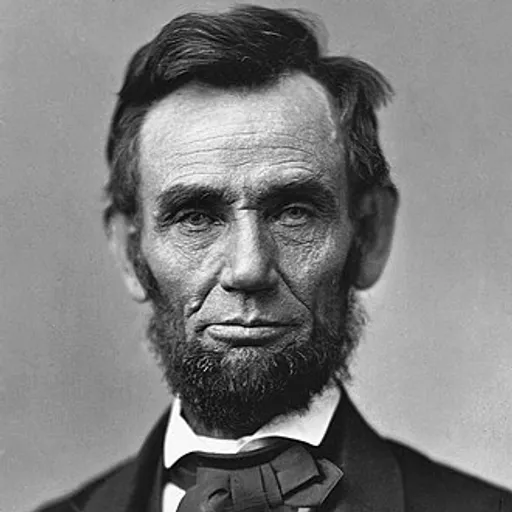
0Facing a war with no national currency to fund it, Lincoln created the first US paper money ('greenbacks') and the National Banking Act, building a financial system that outlasted the Confederacy entirely. He financed the Union's economy from scratch while the South's collapsed.
Term in Office: 1861–1865Avg. Annual GDP Growth (higher better): —Unemployment Rate Change (lower better): —National Debt Change (lower better): 4,000 %Signature Economic Policy: National Banking Act & greenbacksEconomic Impact Rating (higher better): 8/10
added by Yourlist Editorialin 17 rankingsAbraham Lincoln
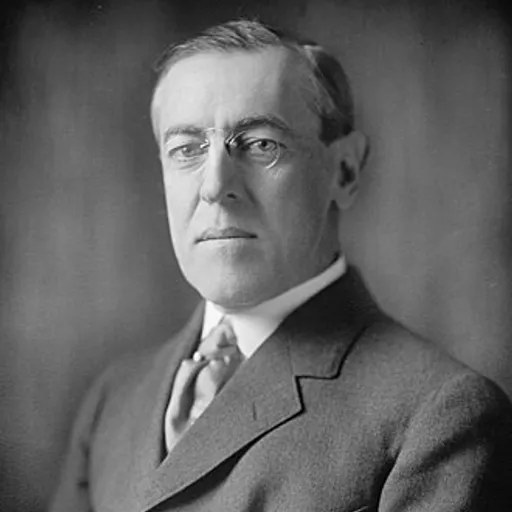
0Wilson signed the Federal Reserve Act in 1913, creating the central bank that still sets US interest rates over a century later. He also pushed through the modern income tax and the Clayton Antitrust Act, remaking the government's economic toolkit in a single term. The Fed alone
Term in Office: 1913–1921Avg. Annual GDP Growth (higher better): 3 %Unemployment Rate Change (lower better): 0.9 ppNational Debt Change (lower better): 2,000 %Signature Economic Policy: Created the Federal Reserve SystemEconomic Impact Rating (higher better): 8/10
added by Yourlist Editorialin 15 rankingsWoodrow Wilson
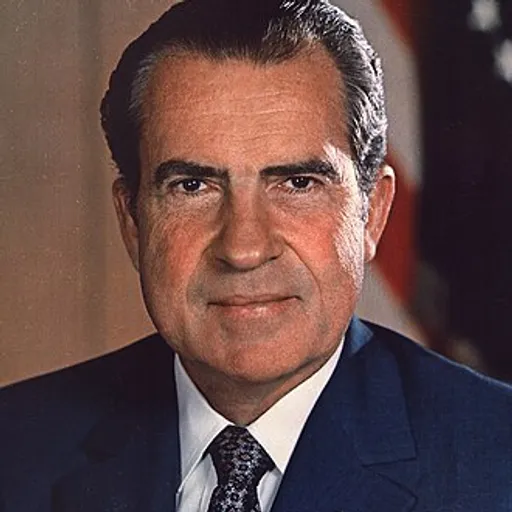
0Nixon severed the dollar from gold in 1971's 'Nixon Shock,' ending the Bretton Woods system and ushering in the floating-currency era the world still uses. He also imposed wage-and-price controls, a stunningly interventionist move for a Republican. The global monetary order was n
Term in Office: 1969–1974Avg. Annual GDP Growth (higher better): 2.8 %Unemployment Rate Change (lower better): 2.2 ppNational Debt Change (lower better): 35 %Signature Economic Policy: Ended gold standard (Nixon Shock)Economic Impact Rating (higher better): 7/10
added by Yourlist Editorialin 18 rankingsRichard Nixon
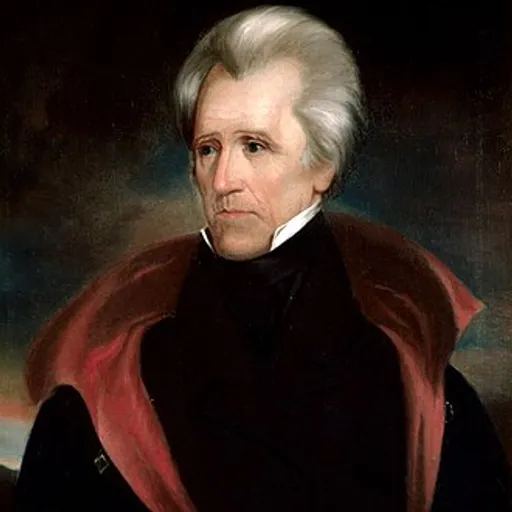
0Jackson waged all-out war on the Second Bank of the United States, vetoing its charter and pulling federal deposits until it collapsed — then paid off the entire national debt in 1835, the only time that's happened in US history. His 'hard money' crusade also helped trigger the P
Term in Office: 1829–1837Avg. Annual GDP Growth (higher better): —Unemployment Rate Change (lower better): —National Debt Change (lower better): -100 %Signature Economic Policy: Killed the Second Bank of the USEconomic Impact Rating (higher better): 7/10
added by Yourlist Editorialin 12 rankingsAndrew Jackson
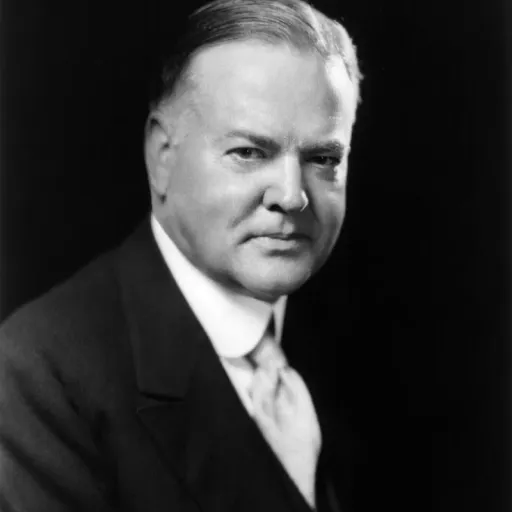
0Hoover took office months before the 1929 crash, then signed the Smoot-Hawley Tariff, widely blamed for deepening the Great Depression as global trade collapsed. Unemployment rocketed from 3% to nearly 25% on his watch. He's the cautionary tale every economics class still teaches
Term in Office: 1929–1933Avg. Annual GDP Growth (higher better): -6 %Unemployment Rate Change (lower better): 21.7 ppNational Debt Change (lower better): 33 %Signature Economic Policy: Smoot-Hawley Tariff ActEconomic Impact Rating (higher better): 7/10
added by Yourlist Editorialin 10 rankingsHerbert Hoover
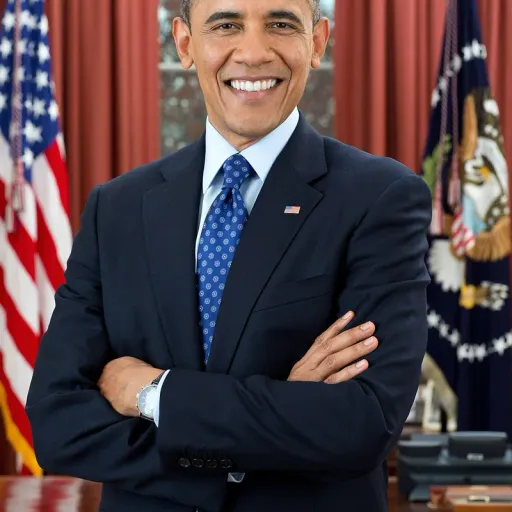
0Obama took over amid the 2008 financial collapse, pushing through the $800 billion Recovery Act and Dodd-Frank's overhaul of Wall Street regulation. The recovery was slow but steady, ending his term with unemployment cut roughly in half. His economic legacy is defined by crisis m
Term in Office: 2009–2017Avg. Annual GDP Growth (higher better): 2.1 %Unemployment Rate Change (lower better): -3.1 ppNational Debt Change (lower better): 88 %Signature Economic Policy: Recovery Act & Dodd-Frank reformEconomic Impact Rating (higher better): 7/10
added by Yourlist Editorialin 17 rankingsBarack Obama
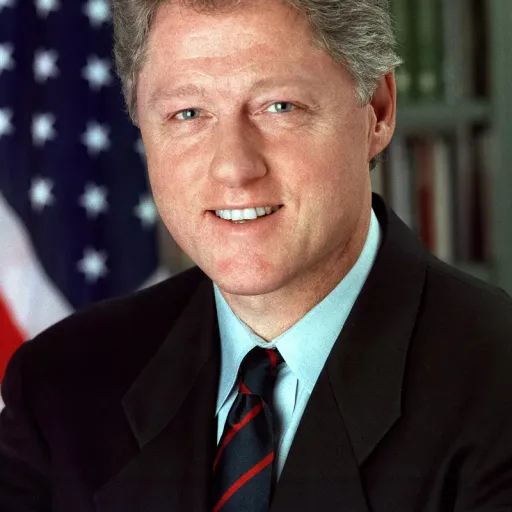
0Clinton rode the dot-com boom to the first federal budget surpluses in decades while signing NAFTA, permanently reshaping US trade with Mexico and Canada. Welfare reform and financial deregulation were double-edged parts of his legacy. The 1990s economy still stands as a modern h
Term in Office: 1993–2001Avg. Annual GDP Growth (higher better): 3.9 %Unemployment Rate Change (lower better): -3.1 ppNational Debt Change (lower better): 36 %Signature Economic Policy: NAFTA & balanced federal budgetEconomic Impact Rating (higher better): 6/10
added by Yourlist Editorialin 16 rankingsWilliam J. Clinton
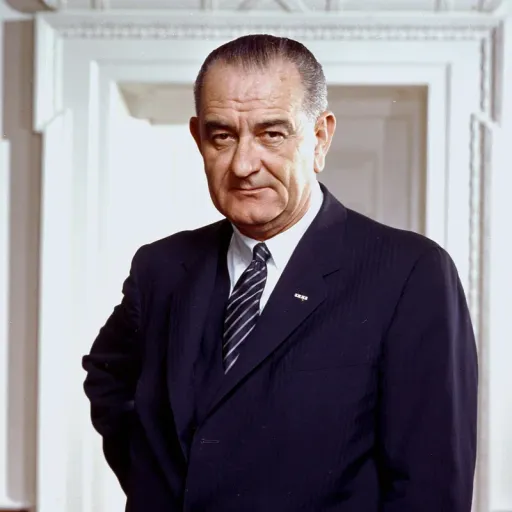
0Johnson pushed through Kennedy's tax cut in 1964 and then poured money into the Great Society — Medicare, Medicaid, the War on Poverty — dramatically expanding the federal role in the economy. Growth was strong for most of his term, but Vietnam spending planted the seeds of 1970s
Term in Office: 1963–1969Avg. Annual GDP Growth (higher better): 5.3 %Unemployment Rate Change (lower better): -2.3 ppNational Debt Change (lower better): 16 %Signature Economic Policy: Great Society & 1964 tax cutEconomic Impact Rating (higher better): 6/10
added by Yourlist Editorialin 14 rankingsLyndon B. Johnson
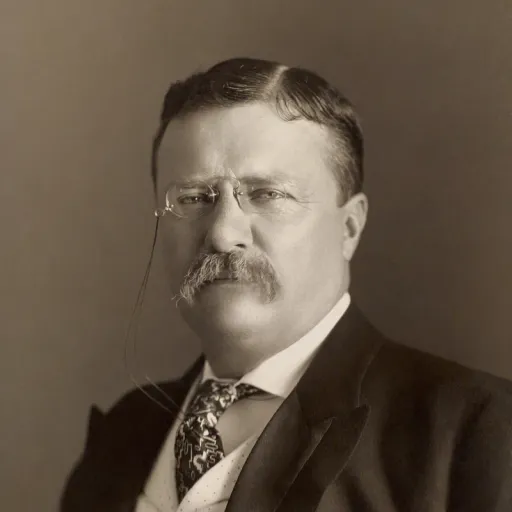
0Roosevelt busted trusts like Northern Securities and Standard Oil, declaring no corporation bigger than the public interest. His Square Deal set the precedent for federal regulation of big business that still shapes antitrust law. He didn't grow the economy so much as decide who
Term in Office: 1901–1909Avg. Annual GDP Growth (higher better): 4 %Unemployment Rate Change (lower better): 1 ppNational Debt Change (lower better): -8 %Signature Economic Policy: Trust-busting & Square DealEconomic Impact Rating (higher better): 6/10
added by Yourlist Editorialin 17 rankingsTheodore Roosevelt
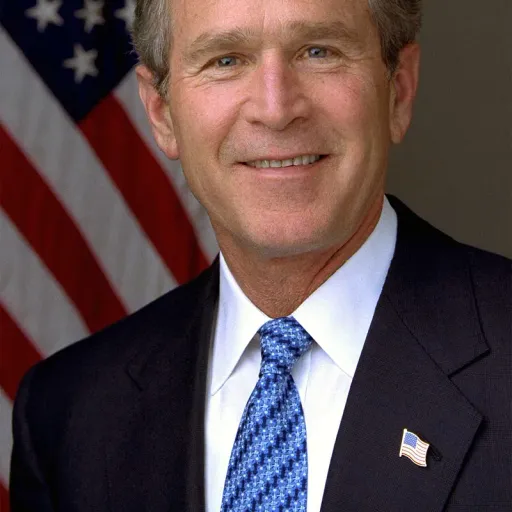
0Bush cut taxes twice in the early 2000s, then watched the housing bubble he didn't cause collapse into the 2008 financial crisis on his way out, forcing the $700 billion TARP bailout. He left office presiding over the worst downturn since the Depression. His term bookends the boo
Term in Office: 2001–2009Avg. Annual GDP Growth (higher better): 2.1 %Unemployment Rate Change (lower better): 3.6 ppNational Debt Change (lower better): 86 %Signature Economic Policy: 2001/2003 tax cuts; TARP bailoutEconomic Impact Rating (higher better): 6/10
added by Yourlist Editorialin 13 rankingsGeorge W. Bush
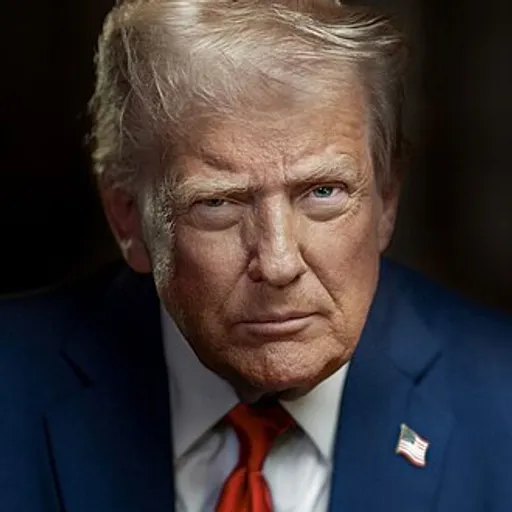
0Trump's 2017 tax cuts were the largest overhaul of the code since Reagan, paired with an aggressive tariff war against China that broke decades of free-trade consensus. Then COVID-19 triggered the sharpest contraction and biggest stimulus spending in modern history. Few terms swu
Term in Office: 2017–2021Avg. Annual GDP Growth (higher better): 1.5 %Unemployment Rate Change (lower better): 1.6 ppNational Debt Change (lower better): 39 %Signature Economic Policy: 2017 Tax Cuts & Jobs Act; tariffsEconomic Impact Rating (higher better): 6/10
added by Yourlist Editorialin 17 rankingsDonald John Trump
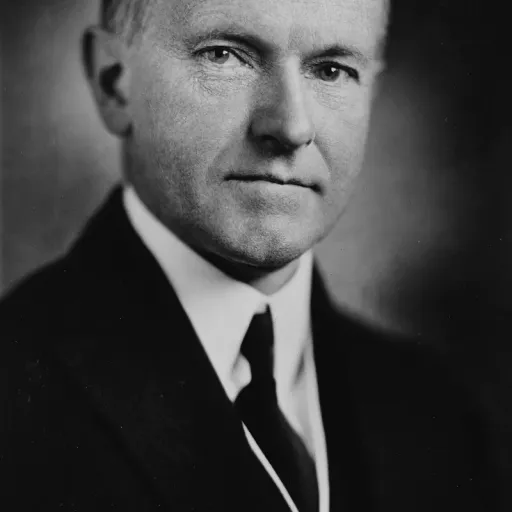
0Coolidge cut taxes repeatedly and let the Roaring Twenties roar, presiding over a stock-fueled boom built partly on the deregulation and credit expansion that would later implode. He famously said 'the chief business of the American people is business.' The bill for his laissez-f
Term in Office: 1923–1929Avg. Annual GDP Growth (higher better): 3.5 %Unemployment Rate Change (lower better): -1 ppNational Debt Change (lower better): -24 %Signature Economic Policy: Laissez-faire tax cuts, 1920s boomEconomic Impact Rating (higher better): 6/10
added by Yourlist Editorialin 9 rankingsCalvin Coolidge
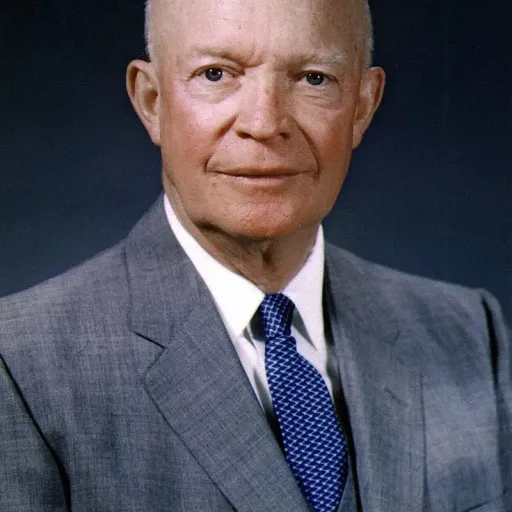
0Eisenhower built the Interstate Highway System, the largest public works project in American history, while holding tax rates high and balancing budgets in a rare postwar era of restraint. Growth was steady and inequality low, a stability later generations would look back on with
Term in Office: 1953–1961Avg. Annual GDP Growth (higher better): 3 %Unemployment Rate Change (lower better): 3.7 ppNational Debt Change (lower better): 8 %Signature Economic Policy: Interstate Highway SystemEconomic Impact Rating (higher better): 5/10
added by Yourlist Editorialin 17 rankingsDwight D. Eisenhower
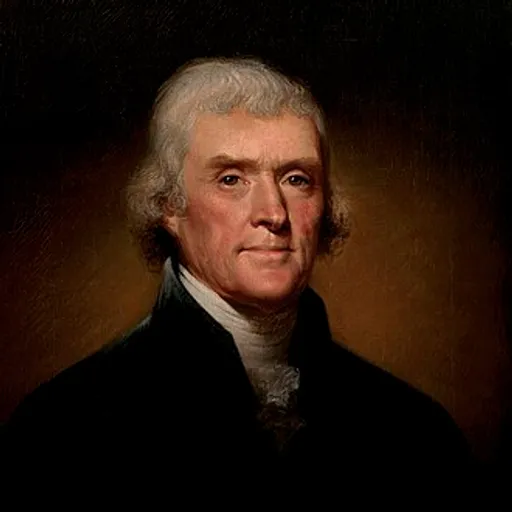
0Jefferson doubled the size of the country with the Louisiana Purchase, financed through bonds in a bold use of federal credit — then crippled trade with his own Embargo Act, cratering American shipping to punish Britain and France. It's one of the biggest economic wins and one of
Term in Office: 1801–1809Avg. Annual GDP Growth (higher better): —Unemployment Rate Change (lower better): —National Debt Change (lower better): -31 %Signature Economic Policy: Louisiana Purchase & trade embargoEconomic Impact Rating (higher better): 5/10
added by Yourlist Editorialin 16 rankingsThomas Jefferson
0